












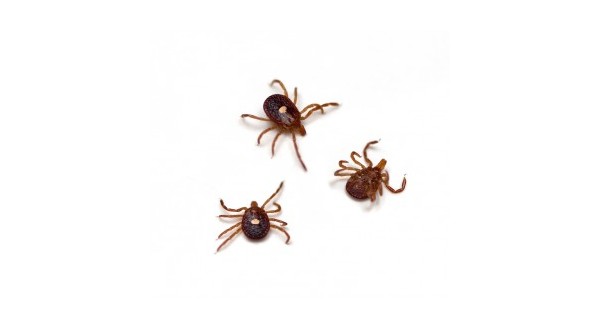
Some Ozark County cats are coming down with a painful, fast-acting and often lethal disease called bobcat fever. According to the Ozark County Times, there have been over eight cats found to have bobcat fever so far this year, with as many as three cases being reported in one day.
Bobcat fever is typically transferred by ticks who feed on infected hosts. When an infected tick bites a cat, the disease is transferred. Once the disease is in the cat’s bloodstream, blood flow is obstructed and organ failure occurs. Infected cats usually die five to 20 days following the tick bite.
If caught early and treated aggressively, Robin Deck of the Gainesville Veterinary Clinic estimates a 35 to 65 percent chance of recovery. Early signs of the disease are lack of appetite, lethargy and high fever. As the disease progresses, infected cats can also become jaundiced and have trouble breathing.
Deck has seen many cases of bobcat fever over the years. She moved to the area in 1985 and recalls seeing the disease that first year. She has noticed the number of cases fluctuate from year to year, depending on the bobcat population. In Ozark County, May through September is the heavy period for infection, but infection can occur anytime ticks are active.
There is no vaccine to protect cats from bobcat fever. Deck stresses when the disease does strike, early detection and swift action are key to treating it. With such a short window for treating the disease, it is a good idea for owners of outdoor cats to consider a potential treatment plan before symptoms arise. Keeping a close eye out for unusual behavior will help cat owners catch the disease early.
WebReadyTM Powered by WireReady® NSI