












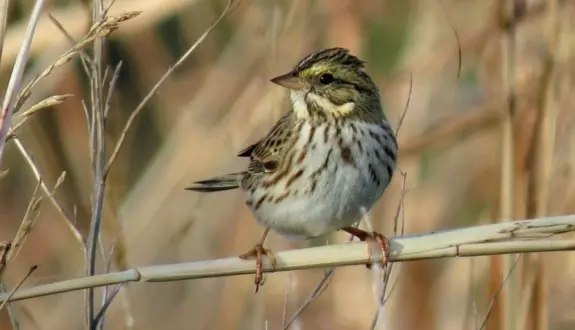
A winter walk through Stone Prairie Wildlife Management Area reveals a quiet landscape of golden grasses, muted browns and scattered green pines – prime habitat for northern bobwhite quail and a variety of other wildlife.
The Arkansas Game and Fish Commission acquired the 989-acre property from The Nature Conservancy in 2017 and manages it with northern bobwhite as the focal species. Once common across Arkansas, the small ground-dwelling quail has declined sharply since the 1980s due largely to habitat loss.
“Northern bobwhite are the focal species of this property,” said Noah Wyatt, AGFC assistant regional supervisor. “Although many of our management practices benefit other species, bobwhites are the center of all management decisions.”
Seven miles of dirt, grass and gravel trails wind through the area, which is closed to vehicle traffic. Three parking areas provide access for hikers and wildlife watchers. Visitors can observe habitat restoration practices such as prescribed burns, invasive species removal and wildlife stand improvement designed to encourage native grasses and forbs.
“These practices increase sunlight on the ground and improve tree health, which boosts acorn production and food availability,” Wyatt said. “We like to say it ‘puts the groceries on the ground’ for wildlife.”
Winter visitors may spot deer tracks, coyote sign and a variety of birds, including sparrows, bluebirds and several species of woodpeckers. Ponds scattered across the property and Pierce Creek also provide fishing opportunities, though the area has no formal fisheries management.
Hunting is permitted in designated seasons, with deer and squirrel among the most popular game. The WMA is also in its second season of permitted quail hunts following habitat restoration efforts.
Additional information, including maps, regulations and bird lists, is available at agfc.com. Officials encourage visitors to return in spring, when wildflowers bloom and migratory songbirds arrive.
WebReadyTM Powered by WireReady® NSI