












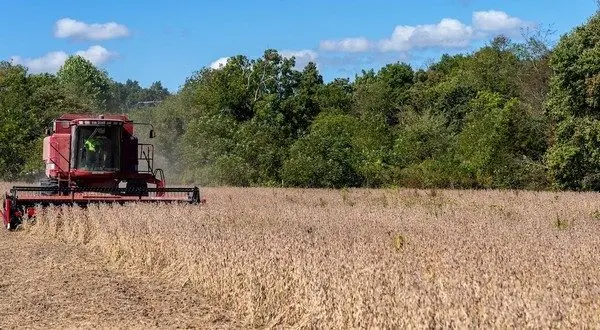
Arkansas farmers are making a significant shift to soybeans this spring as rising input costs force many away from crops like rice and corn.
According to the USDA’s Prospective Plantings Report, soybean acreage in Arkansas is expected to increase by 20 percent this year to more than three million acres. Rice acreage is projected to drop 22 percent, while corn is down 27 percent.
“Soybeans is the only crop that shows any potential of having a positive return this year,” said Hunter Biram, an extension agriculture economist with the University of Arkansas Division of Agriculture.
Higher input costs are driving the change. Urea, a key nitrogen fertilizer, has surged about 40 percent in the past month, while diesel prices have reached four-year highs. Crops like rice, corn and cotton rely heavily on both.
“It’s really getting down with the pencil and paper and doing all the numbers,” said Jenna Martin with the Cross County Extension Office. “It’s kind of a little bit of survival mode in some places.”
Cross County farmer Alex Moery said the decision comes down to staying in business.
“There is no way a farmer can make money at $5 rice,” Moery said. “You shift to a different crop, which for us is beans. You get a lot lower input on those and still make a little money.”
However, the move to soybeans carries risk. If production increases statewide, prices could fall at harvest.
“If everybody goes to soybeans, you’re going to put all your eggs in one basket,” Biram said. “Supply will go up, and prices will certainly plummet.”
Biram said farmers who secured contracts early may be protected, but others could face losses.
Moery said the stress facing farmers is unlike anything he has seen.
“The stress level has been I’ve never seen it this high,” he said.
Final USDA planting numbers are expected later this summer, and economists say soybean acreage could climb even higher than current projections.
WebReadyTM Powered by WireReady® NSI