










The Trump administration has directed states to provide personal data from voter rolls, driver’s license records, and social programs such as Medicaid and food stamps as part of its deportation efforts. At the same time, federal officials are working to consolidate data from multiple agencies into a single repository on U.S. residents.
Many states and cities, including both liberal and conservative governments, are resisting the move, citing privacy concerns. Arkansas, Idaho, and Montana last year passed laws restricting access to license plate reader data, joining at least five left-leaning states Illinois, Massachusetts, Minnesota, New York, and Washington that barred U.S. Immigration and Customs Enforcement from accessing their driver’s license records.
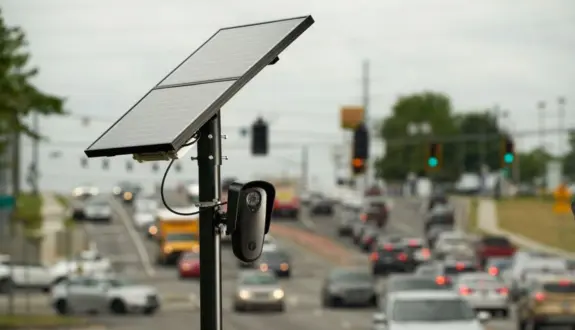
Local governments have also taken action. Democratic-led cities in Colorado, Illinois, Massachusetts, New York, North Carolina, Texas, and Washington terminated contracts with Flock Safety, the nation’s largest provider of automated license plate readers (ALPRs). These devices capture and store license plate information, often for years, raising concerns about privacy and potential misuse.
Critics say ALPR data is being used by ICE to circumvent sanctuary laws. “We’re entering an increasingly dystopian era of high-tech surveillance,” said William Owen of the Surveillance Technology Oversight Project.
Supporters of the technology, including law enforcement and Flock Safety, argue that it is a powerful tool for tracking criminals. Flock Safety reports its cameras perform over 20 billion license plate reads per month and are connected to more than 4,800 law enforcement agencies across 49 states.
Still, privacy advocates warn the data could be misused. The American Civil Liberties Union cited audit logs showing more than 1,400 searches conducted for ICE since June 2024 by Denver police using Flock cameras. Local officials, such as Syracuse City Councilor Jimmy Monto, said immigrant communities are particularly at risk of surveillance without warrants.
Montana Republican Sen. Daniel Emrich, who authored a new law limiting government access to electronic communications, said constitutional protections should guide policies across the political spectrum. “If the government is obtaining data in violation of constitutional rights, they could be violating a whole slew of individuals’ constitutional rights,” Emrich said.
The debate highlights growing tensions over privacy, immigration enforcement, and surveillance technologies as federal and local governments navigate competing priorities and civil liberties concerns.
WebReadyTM Powered by WireReady® NSI